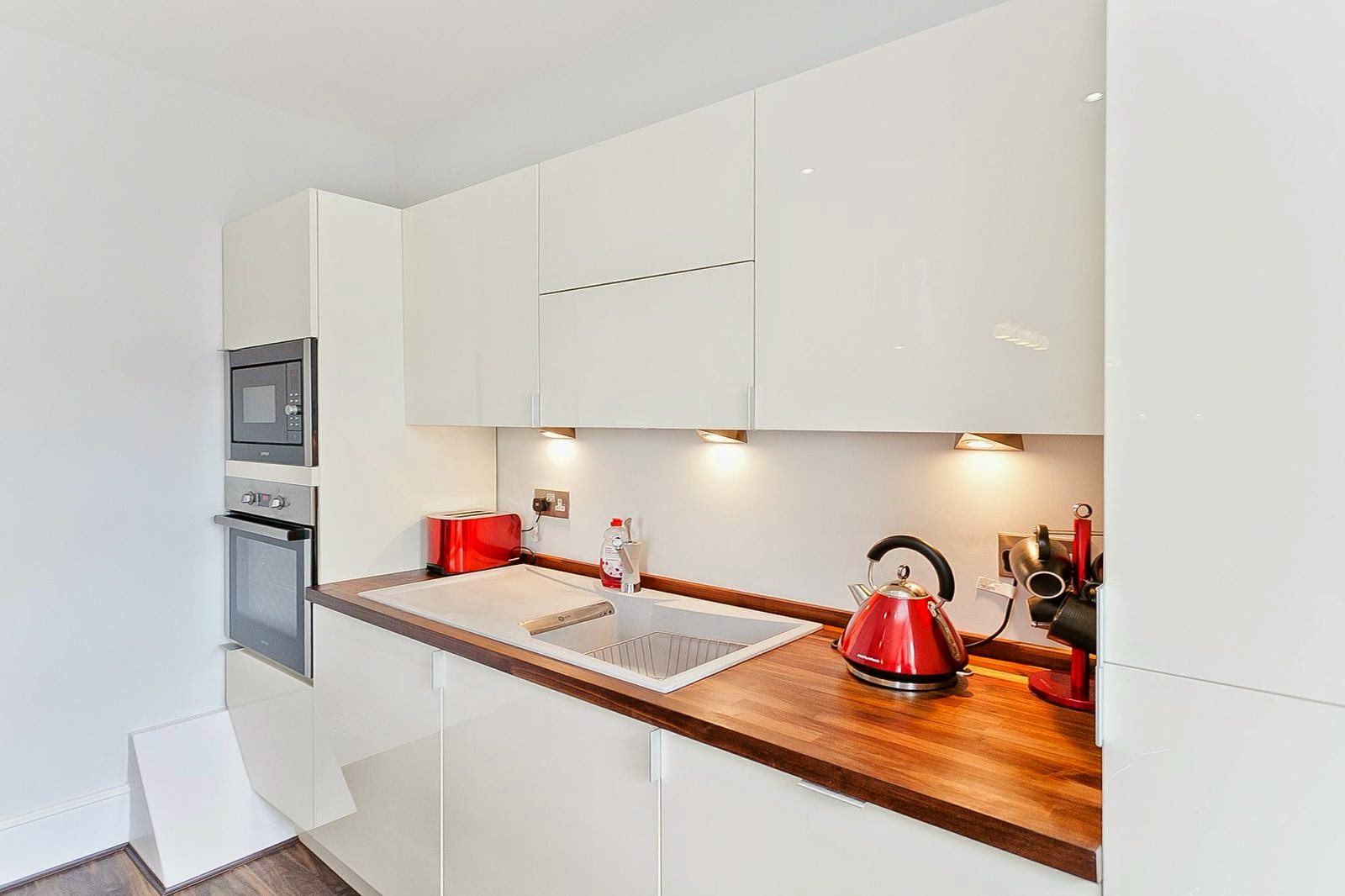
Lighting is an important part of any interior design scheme, and in a kitchen it has to work especially hard. It needs to help you see clearly while you chop, cook and clean, then set a relaxed mood when you sit down to eat. The best way to achieve both is to plan it in layers.
Task lighting
Task lighting is essential, and people often don’t realise how poorly lit their old kitchen was until they install a new scheme. Hot pans, sharp knives and raw meat all call for clear, bright light exactly where you are working.
Start by marking where you will prepare food, cook and wash up. Under-cabinet lights are ideal for worktops because they sit in front of you, so you never work in your own shadow, which is a common problem when the only light is on the ceiling behind you. Ceiling spotlights or adjustable track lights can then cover islands and runs without wall units.
Ambient and mood lighting
In many homes the kitchen has overtaken the living room as the place to relax and entertain, and bright task lighting can feel harsh in the evening. A separate layer of softer lighting, on its own switch or dimmer, changes the feel of the room completely.
Low-level lights around seating areas, lit shelves, plinth lights and LED strips above wall units all add atmosphere. Colour-changing LED systems let you change the mood at the touch of a button.
Dining area lighting
Dedicated lighting over the table defines the dining area and lets you light it without lighting the whole room. Put these lights on their own switch, ideally dimmable. Pendants over an island or breakfast bar help tie the room together and light the surface when you need it. Dining lights can also be a focal point, from classic chandeliers to modern LED pendants.
Convenience lighting
Convenience lighting goes where an extra light would be handy, such as inside drawers, larders and deep cupboards. It usually switches on automatically when you open the door and off when you close it, so you can find things quickly without turning on the main lights.
Types of kitchen lighting to consider
Pendant lighting
A design feature in their own right, pendants work particularly well over a dining table, island or breakfast bar. A row of two or three gives direct light to the surface below and helps define that area.
Track lighting
Track systems are versatile. The spotlights can be positioned and angled exactly where you need them, and some systems take pendants too, all adjustable later.
Recessed spotlights
Recessed into the ceiling, spotlights keep the ceiling clean and uncluttered and help a room feel open. They are good general lighting for walkways, but most are fixed, so place them carefully if they are meant as task lighting.
Under-cabinet lighting
Fitted under the wall units, spotlights or continuous LED strips light the worktop evenly and let you see exactly what you’re doing.
Plinth lighting
Set into the plinths at the bottom of the base units, these lights add interest and make an island or the corners of units easy to see at night, which helps guests who don’t know the room.
Table and wall lights
Table lamps on a dresser or sideboard add a warm, easily moved light source, especially in traditional kitchens. Wall lights, ideally dimmable, add another layer of ambience and can mark walkways and seating areas.
Plan your lighting early
Good lighting should be both practical and beautiful, and it has to be planned before the kitchen goes in: the first-fix wiring is done while the walls and ceiling are open, before any cabinets are fitted.
- Budget for it properly. As a rule of thumb, in a good-quality kitchen project the lighting budget is similar to the flooring budget.
- Put each layer (task, ambient, dining) on its own switch or dimmer.
- Choose warm white (around 2700–3000K) for relaxing areas and a slightly cooler white for work areas if you prefer a crisper light.
- LED fittings use a fraction of the energy of halogen and last far longer.
Talk to your kitchen designer about lighting at the very start of your project. A good designer will show where lights will go on your plan and in 3D, so you can see the effect before anything is wired.